The Significance of School in Fostering Lifelong Understanding and Growth
Schools function as foundational organizations that nurture lifelong knowing and individual advancement. They create settings where curiosity thrives and critical thinking is developed. Via joint initiatives and creative exploration, students find out to tackle complicated problems. Furthermore, schools instill a sense of public duty. This vibrant interaction fosters informed citizens prepared to adapt to a developing globe. The complete effect of these academic experiences expands much beyond the classroom. What lies ahead for those who accept this trip?
The Function of Inquisitiveness in Education and learning
Exactly how does inquisitiveness shape the academic experience? Interest functions as an effective driver for learning, igniting trainees' desire to check out and comprehend their environment. It motivates them to ask concerns, seek answers, and engage with subjects on a deeper degree. When instructors promote a curious frame of mind, they produce a classroom ambience that values query and exploration, resulting in a much more improving educational experience.
Inquisitiveness additionally advertises inherent motivation, pushing pupils to go after knowledge beyond the prescribed educational program. This self-directed understanding not just enhances understanding yet also motivates long-lasting understanding routines. Moreover, interest aids students connect varied ideas, cultivating interdisciplinary understanding and creative reasoning. By supporting this trait, schools play a critical duty fit not just well-informed individuals, however likewise open-minded thinkers ready to adjust to an ever-evolving globe. Eventually, inquisitiveness lays the structure for continuous individual and intellectual growth throughout life.
Establishing Vital Believing Skills
Interest not just cultivates a wish for understanding yet additionally prepares for establishing vital thinking skills. In an instructional setup, students are encouraged to ask concerns, analyze information, and examine arguments. This procedure grows a setting where critical reasoning can prosper (Kindergarten). By involving with difficult presumptions and varied point of views, learners sharpen their capability to evaluate the legitimacy of insurance claims and construct well-reasoned final thoughts
In addition, the combination of analytic jobs in the curriculum permits pupils to apply their vital reasoning abilities in real-world contexts. These experiences advertise analytical thinking and decision-making, important parts of lifelong understanding. Schools that focus on crucial assuming develop a structure for students to browse intricate circumstances beyond the classroom. Eventually, developing these abilities equips individuals to come close to difficulties thoughtfully, promoting an attitude tailored in the direction of inquiry and continual enhancement throughout their lives.
Building Resilience With Obstacles
In the context of long-lasting learning, constructing durability with obstacles is essential for individual growth. Getting rid of adversity together cultivates a feeling of community and support, while embracing failing as a stepping rock promotes development and versatility. These experiences not just reinforce people but likewise improve the overall knowing environment within institutions.
Getting Rid Of Hardship Together
Although difficulties are an inevitable component of life, the joint setting of an institution can play a pivotal role in helping students create durability. In class, students often run into obstacles that call for cumulative problem-solving and support. Interacting on team jobs or encountering academic difficulties fosters a sense of sociability, instructing them the importance of looking for assistance and offering assistance to others. With these shared experiences, students find out to browse hardship, building emotional stamina and versatility. Educators can assist in discussions around obstacles, encouraging students to share their feelings and brainstorm services as a team. This procedure not only boosts their coping strategies but additionally infuses a sense of belonging, empowering them to face future challenges with confidence and unity.
Welcoming Failing as Development
Failure typically serves as a driver for personal growth, using necessary lessons that add to resilience. In educational setups, trainees run into obstacles that may originally seem preventing. These experiences are basic for establishing a growth state of mind. By finding out to embrace failure, trainees grow the ability to adapt and persist when faced with adversity. Schools can promote this process by developing environments where blunders are considered as opportunities for discovering as opposed to setbacks. Urging trial and error, offering positive comments, and modeling resilience are considerable components of this technique. Ultimately, accepting failing not just prepares students for academic challenges yet additionally equips them with the skills required for navigating life's unpredictabilities, cultivating lifelong learners who thrive in the middle of hardship.
The Relevance of Collaboration and Teamwork
Cooperation and teamwork are vital elements of reliable analytical in educational settings. By working with each other, pupils not just boost their ability to deal with difficulties yet likewise foster more powerful partnerships with their peers. This harmony contributes significantly to their general growth and prepares them for future joint ventures in life.
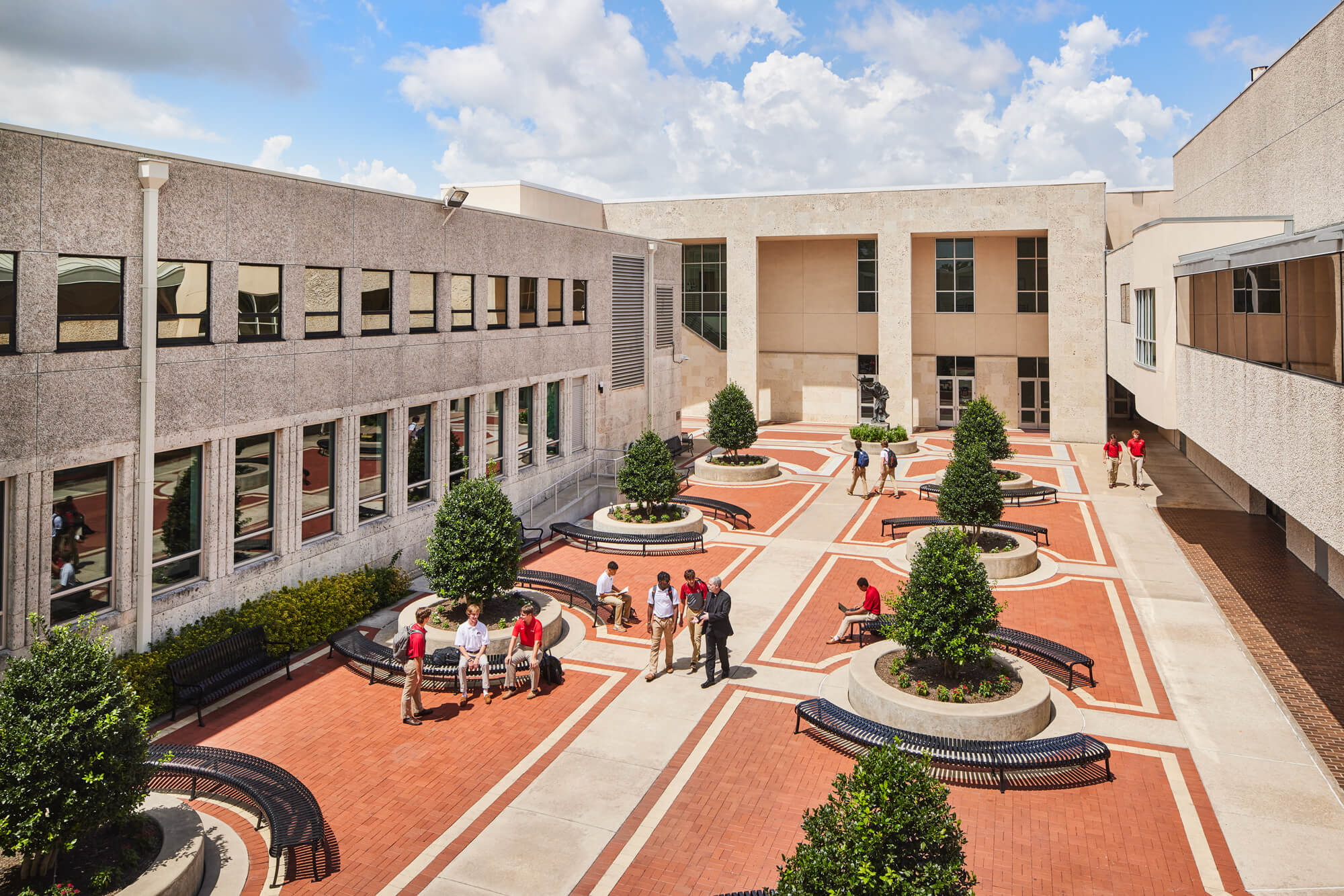
Enhancing Problem-Solving Skills
They not only enhance their private skills however likewise foster a much deeper understanding of varied point of views when trainees involve in collective analytical. This cumulative approach motivates crucial reasoning, as students find out to analyze situations from various angles. By interacting, they integrate their toughness and knowledge, bring about cutting-edge services that may not have emerged alone. Joint analytic likewise promotes communication skills, as students have to articulate their concepts and listen proactively to others. As they navigate difficulties with each other, they establish durability and adaptability, vital qualities in today's ever-changing globe. Inevitably, enhancing problem-solving skills through collaboration outfits pupils with the devices needed for long-lasting discovering and prepares them for future scholastic and professional ventures.
Building Stronger Relationships
Building more powerful connections is an all-natural expansion of boosting problem-solving skills in educational settings. As students collaborate on projects, they discover to connect effectively, share varied viewpoints, and appreciate the value of team effort (Grade School Peoria). These communications foster trust fund and respect among peers, developing a setting conducive to discovering and personal development. In addition, educators play an important duty in modeling joint habits, guiding trainees in addressing conflicts and commemorating successes together. This focus on connections not only boosts scholastic end results yet also cultivates necessary life skills such as compassion and participation. Eventually, by focusing on collaboration, schools prepare students to engage meaningfully in their neighborhoods, reinforcing the notion that strong relationships are fundamental to lifelong understanding and success
Promoting Creative Thinking and Development
Although traditional education frequently emphasizes rote memorization and standardized screening, fostering creativity and development continues to be crucial for preparing trainees to thrive in an ever-changing world. Schools can grow these skills by motivating flexible projects, interdisciplinary learning, and an atmosphere where trial and error is valued over perfection. This technique allows trainees to discover their rate of interests, assume seriously, and develop analytic abilities.
To promote creativity, instructors can incorporate various teaching approaches, such as collective group work, hands-on tasks, you could try this out and using modern technology. By providing possibilities for students to share themselves with art, music, or creating, institutions can support diverse talents and perspectives. In addition, commemorating original concepts and encouraging risk-taking can aid impart a growth frame of mind. Eventually, promoting imagination and advancement in school not only enhances academic efficiency but also outfits trainees with the abilities necessary for future success in a progressively complicated and interconnected globe.
Creating Engaged and Informed People
Fostering creativity and innovation not just boosts trainees' academic experiences but also plays a substantial role in shaping engaged and educated citizens. Schools act as a crucial platform for establishing important believing skills and encouraging civic duty. Through various programs, such as arguments, social work, and project-based knowing, pupils discover to examine information, think about several point of views, and participate in purposeful conversations regarding societal issues.
Moreover, institutions can cultivate their explanation an understanding of autonomous concepts and the significance of energetic involvement in administration. By incorporating present events into the educational program, instructors equip trainees to remain informed and make enlightened choices. Schools likewise promote cooperation and respect for variety, crucial qualities for operating in a global society.
Eventually, the role of schools in creating engaged and educated citizens extends past plain education and learning; it prepares trainees to add positively to their neighborhoods and promotes a society of long-lasting understanding and civic participation.
Frequently Asked Inquiries
Exactly How Does College Influence Social Skills Advancement?
School influences social abilities development by supplying organized settings for communication, interaction, and cooperation. With group activities and peer connections, trainees find out empathy, conflict resolution, and team effort, vital proficiencies for their future personal and expert lives.
What Function Do Teachers Play in Trainee Inspiration?
%202.jpg)
Just How Can Moms And Dads Assistance Lifelong Learning in your home?
Moms and dads can support lifelong learning at home by motivating inquisitiveness, offering resources, participating in discussions, promoting a love for reading, and modeling a favorable perspective in the direction of knowing, ultimately producing an enhancing setting for their children.
What Impact Does Institution Society Carry Pupil Growth?
Institution culture considerably influences trainee development by forming mindsets in the direction of understanding, promoting collaboration, and cultivating a feeling of belonging. A favorable atmosphere urges resilience, interaction, and inspiration, inevitably leading to boosted personal and academic growth.
Just How Do After-school Activities Add to Personal Development?
Extracurricular tasks improve individual advancement by promoting teamwork, leadership, and analytical skills. They provide opportunities for self-exploration, boost confidence, and motivate social interactions, inevitably cultivating a well-shaped personality and preparing people for future difficulties.
By working with each other, pupils not just enhance their capability to deal with obstacles but likewise foster more powerful relationships with their peers. When pupils involve in collective analytical, they not only boost their read this specific skills but likewise promote a much deeper understanding of diverse point of views. Cultivating creativity and advancement not just enhances students' scholastic experiences however also plays a substantial role in forming engaged and educated people. Educators play an essential function in student motivation by producing interesting knowing environments, supplying individualized comments, and cultivating connections that motivate self-efficacy. College society substantially influences trainee growth by forming perspectives in the direction of discovering, advertising partnership, and fostering a feeling of belonging.